
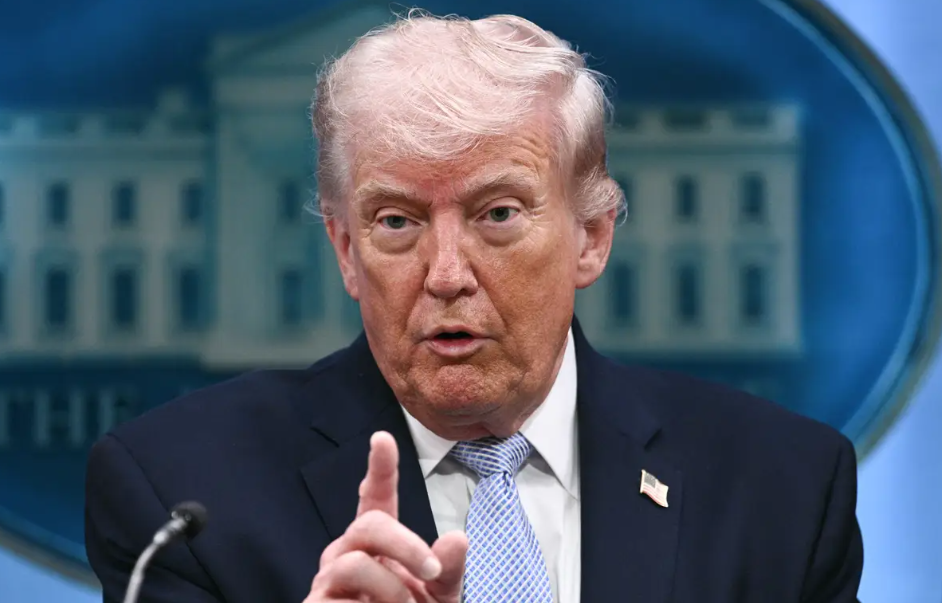
In a dramatic escalation of tensions in the Middle East, former US President Donald Trump has announced that the United States will blockade the Strait of Hormuz, one of the world’s most critical oil shipping routes. The move comes after high-level talks with Iran collapsed over disagreements regarding Tehran’s nuclear program.
According to reports, negotiations held in Pakistan failed despite progress on several issues, with Iran refusing to compromise on its nuclear ambitions. In response, Trump declared that the US Navy would immediately begin blocking ships from entering or exiting the Strait.
The Strait of Hormuz is a vital global chokepoint through which nearly 20% of the world’s oil supply passes, making any disruption highly significant for global energy markets. The blockade is expected to impact international trade, fuel prices, and geopolitical stability.
Trump also warned that any vessel complying with Iran’s reported toll system or any hostile action from Tehran would face strict consequences. Reports suggest US forces may also act to remove sea mines and secure safe navigation routes in the region.
The announcement marks a sharp escalation in US-Iran relations, raising fears of a broader military conflict. Analysts warn that such actions could trigger global economic uncertainty, especially for countries dependent on Middle Eastern oil supplies.
Why It Matters
- Strait handles ~20% of global oil trade
- Potential rise in fuel prices worldwide
- Increased geopolitical tensions
The blockade of the Strait of Hormuz could be a turning point in the ongoing crisis. As tensions rise, the world will be closely watching how both nations respond in the coming days.