

The global shipping industry is on high alert after fresh reports of attacks on tankers and container ships in the Strait of Hormuz, one of the world’s most critical maritime routes. The situation escalated sharply after Iran reimposed restrictions and effectively closed the strait again, citing ongoing tensions with the United States.
Ships Targeted as Tensions Rise
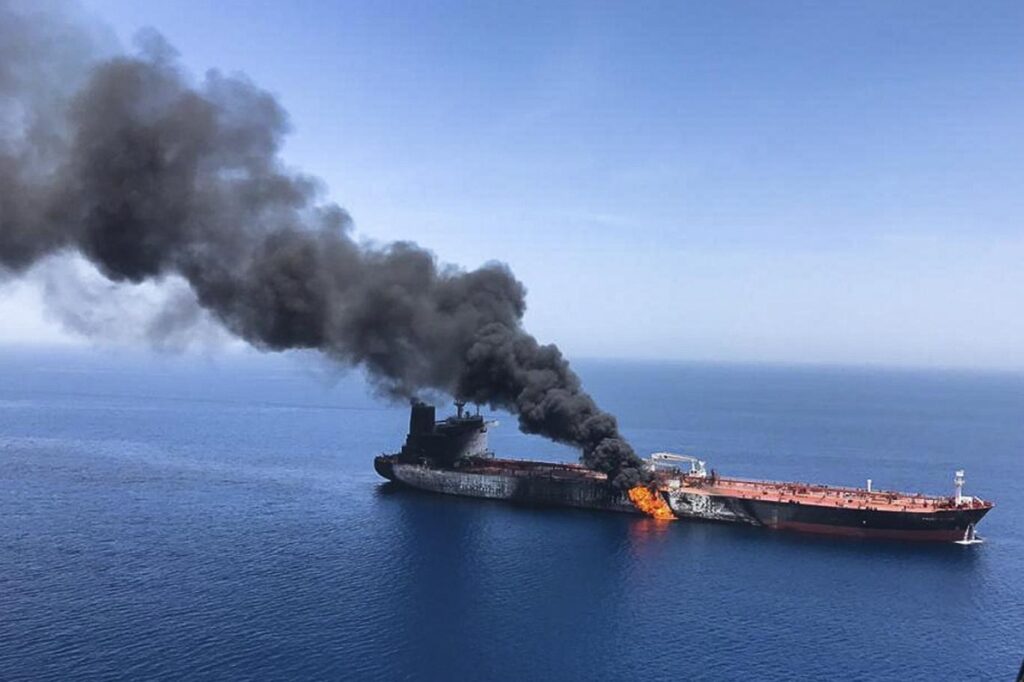
According to multiple reports, several commercial vessels—including oil tankers and container ships—have either been fired upon or forced to turn back while attempting to cross the narrow waterway.
UK maritime authorities confirmed that Iranian forces opened fire on vessels near the strait, while ship-tracking data showed many ships reversing course after receiving warnings.
This marks a dangerous escalation in what analysts are calling one of the most serious maritime crises in recent years.
Why the Strait of Hormuz Matters
The Strait of Hormuz is not just any shipping lane—it is a global energy lifeline. Roughly 20% of the world’s oil supply passes through this narrow corridor, connecting the Persian Gulf to global markets.
Even minor disruptions can send shockwaves through oil prices, global trade, and supply chains. With hundreds of vessels already stranded or delayed, the impact is being felt across Asia, Europe, and beyond.
Iran’s Move: Closure After Brief Reopening
Just days before the latest escalation, Iran had briefly allowed limited ship movement under strict conditions. However, after negotiations failed and tensions with the US persisted, Tehran closed the strait again, warning that restrictions would remain until demands are met.
Ships are now reportedly required to seek approval from Iranian authorities to pass through designated “safe lanes,” further complicating navigation and increasing risks.
Impact on Global Shipping & Oil Markets
The consequences of this crisis are already unfolding:
- Oil and gas exports from Gulf countries have slowed dramatically
- Shipping insurance costs have surged due to high risk
- Container shipments and global supply chains face delays
- Fuel prices may rise worldwide
Experts warn that even a short-term closure could trigger long-term disruptions in global logistics and energy markets.
Rising Risk for Crew and Cargo
Beyond economic concerns, the human risk is growing. Past incidents in the region have seen ships damaged, fires onboard, and crew members injured or missing during attacks.
Shipping companies are now weighing whether to reroute vessels—despite higher costs—or wait for safer passage.
What Happens Next?
The situation remains extremely volatile. While diplomatic efforts continue behind the scenes, military presence in the region is increasing, raising fears of further escalation.
If tensions continue, the Strait of Hormuz could remain unstable for weeks—or even months—reshaping global trade patterns and energy flows.
The renewed closure of the Strait of Hormuz and attacks on commercial ships highlight how fragile global trade routes can be. As one of the world’s most strategic chokepoints, any disruption here doesn’t stay regional—it quickly becomes a global crisis affecting fuel prices, shipping, and economic stability.
For now, the world watches closely as events unfold in this critical maritime corridor.